Regular and proper maintenance is the key to maximum service life and operational safety.
Screw jacks are known for their robustness and long service life. To maintain these properties over the entire life cycle of a machine, regular maintenance – in particular lubrication – is essential. The actual intervals depend on load, speed, duty cycle and environmental conditions. The following information provides guideline values for typical industrial applications.
Regular inspection and relubrication
These measures should be carried out at short, recurring intervals in order to ensure optimum operating conditions.
- Visual inspection: Regularly check the screw and surrounding area for contamination, condition of the lubricant film, any leakages and unusual noise.
- Relubrication of the lifting screw: The lifting screw (trapezoidal screw drive and ball screw drive) is the most heavily loaded component and requires the most frequent attention.
- Interval: For average loading, relubrication is recommended every 30–50 operating hours. For ball screw drives, intervals of up to 300 operating hours are often specified; at high loads this value can be reduced to around 100 hours.
- Procedure: Clean the screw before relubrication and then apply the recommended grease evenly.
Comprehensive gearbox maintenance
The gearbox itself is generally enclosed and designed for longer lubrication intervals. Under normal conditions it is often considered lubricated for life; however, with higher loads or long operating periods, thorough maintenance is recommended.
First comprehensive service:
- Interval: Plan an initial general inspection after approx. 500 operating hours.
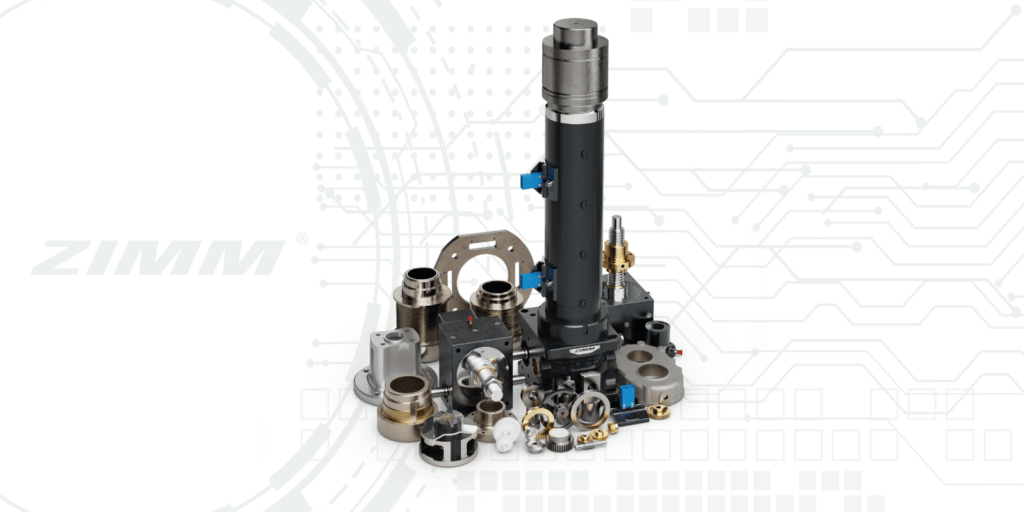
- Procedure: Completely remove the old grease, clean all components (gears, bearings, screw), check for wear and refill the gearbox with fresh grease.
- Subsequent services:
- Interval: Thereafter, repeat comprehensive maintenance at intervals of approx. 1,500 operating hours.
Important notes
- Operating conditions: In harsh environments (heavy contamination, high temperatures, humidity) or under high loading (close to rated load, high duty cycle), the intervals must be shortened accordingly.
- Documentation: A maintenance log with date, operating hours and work carried out helps to keep track of the system condition at all times.
- Manufacturer specifications: The specific maintenance recommendations in the operating manual of the respective screw jack always take precedence and must be strictly observed.
Forward-looking, regular maintenance is the best insurance against unplanned downtime – and ensures that your screw jack system operates reliably and safely for many years.