Your enquiry list is currently empty!

Your enquiry is our drive
Your enquiry is our drive

Despite our comprehensive wiki, you haven’t found the information you’re looking for? Then don’t hesitate to contact us directly.
Our team will be happy to help you personally – whether it’s specific applications, custom-made products or missing content. Together we will find the right solution.
Author:
Last modified:
Screw jacks are used in very different environments – from clean indoor areas to harsh industrial and outdoor conditions. Considering the environmental conditions at an early stage is crucial for selecting and configuring the drive system in order to avoid corrosion, premature wear and unplanned downtime.
Most screw jacks are designed for a temperature range of approx. –20 °C to +80 °C.
A careful analysis of the environmental conditions in advance makes it possible to configure a screw jack that operates reliably and with a long service life even under demanding conditions – thereby ensuring the availability of the entire system.


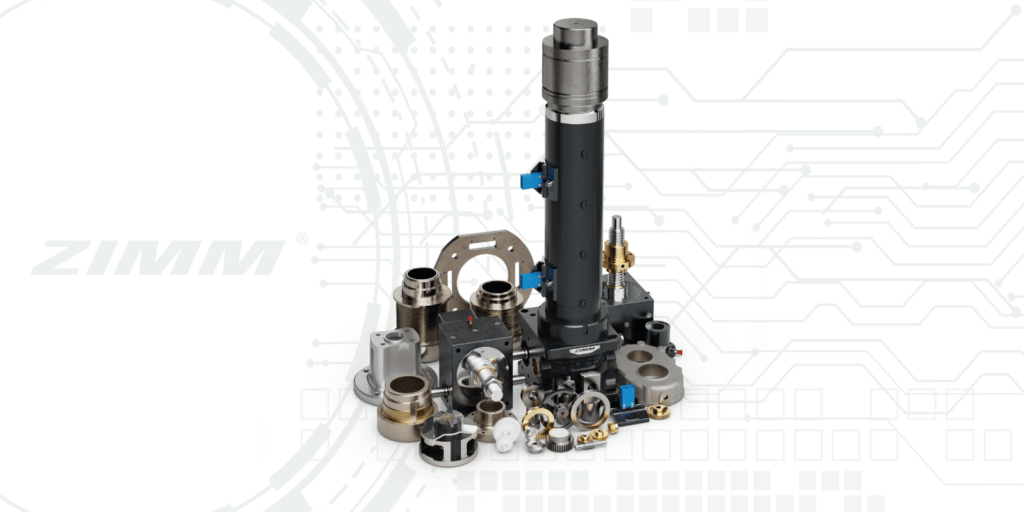
Our expertise ranges from the development and manufacture of industrial gearboxes with matching parts to casting, series production and precision machining. We not only offer robust gearboxes, but also customized drive elements, manufactured exactly according to your drawings and specifications.
As Europe’s leading manufacturer of screw jacks, we rely on state-of-the-art machinery and extensive measuring and testing facilities. This enables us to manufacture almost all products ourselves and deliver top quality at all times.
Regardless of the application or industry – our solutions are perfectly tailored to your needs. Make your inquiry today and boost your production processes with our flexible and customizable solutions.
Please contact our representative using the form. We will get back to you promptly with the appropriate answer.

You need to load content from reCAPTCHA to submit the form. Please note that doing so will share data with third-party providers.
More Information